In Institutions and Acting on your Policy Agenda I argued that any meaningful action supporting a proposed action requires aligning with institutions that support or can be influenced to support that action. I also argued that US political parties aren’t easy to align with directly, so we need to look elsewhere.
Effective, Alignable Institutions #
We’re looking for institutions that: engage with members to shape their agenda → provide members with calls to action, providing ongoing opportunities for personal impact → keep members informed → generate legislative or policy wins. Something more than making a donation and hoping for the best–not enough for our highest priority concerns.
Examples #
AARP #
The AARP runs a huge and successful policy advocacy function working at both the national and the state level. It’s worth the time to browse their advocacy content. They’re strong on keeping members informed; they provide clear calls to action; they have a strong record of getting results. They use polls, focus groups, and the like to solicit member input to direct their advocacy.
League of Women Voters #
The League of Women Voters has a long history of protecting voter rights, leading ballot initiatives, influencing legislation, providing amicus briefs, monitoring elections, and advocating for free and fair elections.
They define a study and consensus process for evolving their policy agenda. Prior to the biennial national convention local and state chapters make proposals to study an area where the League lacks a position (or the current position is obsolete). The national board reviews these proposals and submits its recommended study program to the convention. Non-recommended proposals can be presented to the convention as well, but face a higher adoption threshold.
Approved proposals are developed by a dedicated study committee’s research and analysis. They generate a “Study Kit,” for review by local chapters to identify areas of general agreement or reservations. The study committee consolidates the chapter reviews and if the responses confirm wide-spread consensus, draft a position statement for approval by the national board and/or at the next national convention. (They have a more streamlined process called a Concurrence where existing findings can be leveraged.)
Organizational effectiveness requires alignment: does everyone in the organization understand what it’s trying to do? Do they understand their role in making that happen? Do they understand what to do when they’re unable to fulfill their part? I can’t think of an organization that builds a better basis for alignment.
38 Degrees #
38 Degrees is a progressive non-profit UK political activism organization. They helped stop a proposal to privatize public forests in 2011. They publish a monthly impact statement; you can see more impact statements here.
Their agenda is driven by their community. They poll the community regularly to decide where to focus their support. They provide tools for people that want to start a campaign, to champion a cause. The starting point is a petition, backed up with crowdfunding polls, research, and legal challenges, pooling funds for media buys, direct action and media stunts: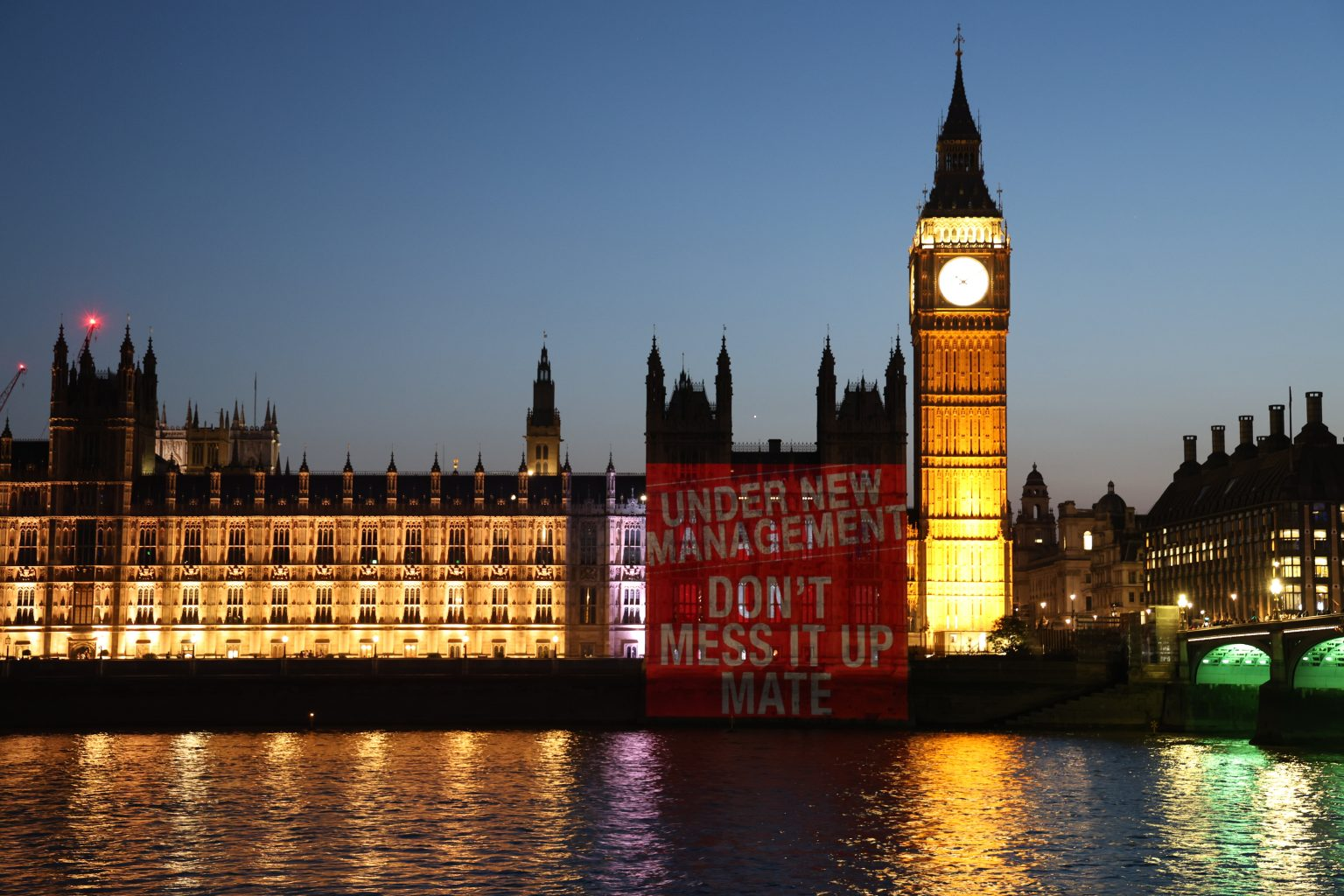
Building Digital Institutions that Unite #
One would naively hope that social media platforms would build community, would bring people together. Sadly experience beat that out of us quickly and completely. The 38 Degrees approach provides an alternative. Their terms of service empower them to prevent abusive behavior, inappropriate campaigns, and misrepresentation, coupled with a complaint process. They don’t provide discussion tools at all, so trolls have to go elsewhere. Collaboration between supporters is left to email and mobile messaging, with the TOS requiring unsubscribe messages to be fully and immediately implemented.
Join or Roll Your Own #
A well established institution with a history of engagement and effectiveness that addresses your concerns increases the probability of impact. If nothing quite fits, 38 Degrees offers a model for rolling your own. One way or the other, you’ll need institutional support to make a difference.